DA conditions · Referral agencies
Referral Agency Conditions and External Sign-offs
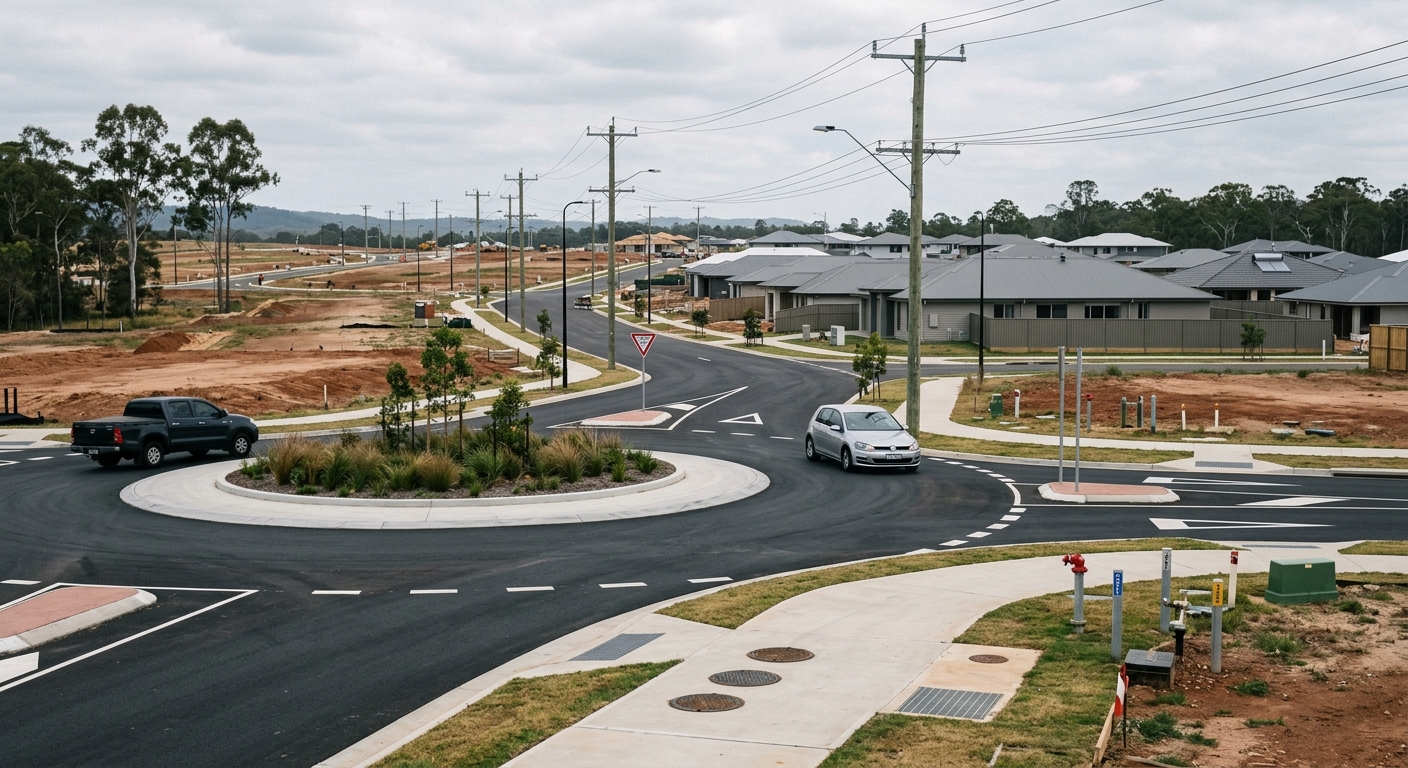
Some of the conditions on a Queensland subdivision come from outside the council: State transport, water, sewer and electricity bodies that have to be satisfied before the plan can seal. Their lead times sit outside the council's clock, which is exactly why they cause delays when they are left until the end.
Referral agency conditions are conditions on a development approval that originate with an external body rather than the council alone. In Queensland, under the Planning Act 2016, some development applications must be referred to a referral agency, and that agency can shape the approval. Beyond the formal referral framework, a subdivision also depends on approvals from service providers such as water, sewer and electricity entities. Each of these external sign-offs carries its own lead time, and each can hold up plan sealing.
What a referral agency is
A referral agency is a body that a development application must be referred to when a particular interest is triggered, and its role is defined by legislation. Under the Planning Act 2016, referral agencies are prescribed by the Planning Regulation 2017 (in Schedules 9 and 10, which set out the referral agencies and their jurisdictions). A referral agency acts in one of two capacities, and the difference matters a great deal to the applicant.
- Concurrence agency. A concurrence agency has the power to direct the assessment manager (usually the council) to refuse the application, or to attach mandatory conditions to any approval, within the limits of its jurisdiction. Its response binds the council.
- Advice agency. An advice agency may offer advice, including recommended conditions, but cannot direct refusal or impose mandatory conditions. The assessment manager must consider the advice but retains discretion over the decision.
For State interests, the State Assessment and Referral Agency (SARA) is the single lodgement and assessment point for most applications where the State has jurisdiction. When a subdivision triggers a State interest, the referral runs through SARA rather than through a patchwork of separate departments.
The bodies that commonly gate a subdivision
On a typical Queensland subdivision, the external sign-offs come from a small number of recognisable bodies. Some are formal referral agencies under the Planning Act; others are service providers with their own parallel approval processes. Both need to be satisfied before the plan can seal.
- Transport and Main Roads (through SARA). Where a subdivision affects a state-controlled road or other State transport infrastructure, the application is referred to the State through SARA, with the Department of Transport and Main Roads providing the technical assessment of transport impacts.
- Unitywater and other water and sewer distributor-retailers. Water and sewer connection and infrastructure approvals for the relevant service area run through the distributor-retailer's own connections process rather than as a Planning Act referral. The sign-off still has to be obtained, and outstanding water or sewer requirements will hold up sealing.
- Energex and electricity supply. Energex states that it acts as a referral agency for development applications under the Development Assessment Rules of the Planning Act 2016 where a trigger applies, for example near electricity infrastructure. Separately, an electricity supply certificate confirming the lots can be serviced is commonly required before the plan is sealed.
- Other State and service bodies. Depending on the site, bulk water, environmental, coastal or heritage interests may also be engaged. The specific triggers are set out in the Planning Regulation 2017, so the exact list is site-specific.
Why external sign-offs blow out timelines
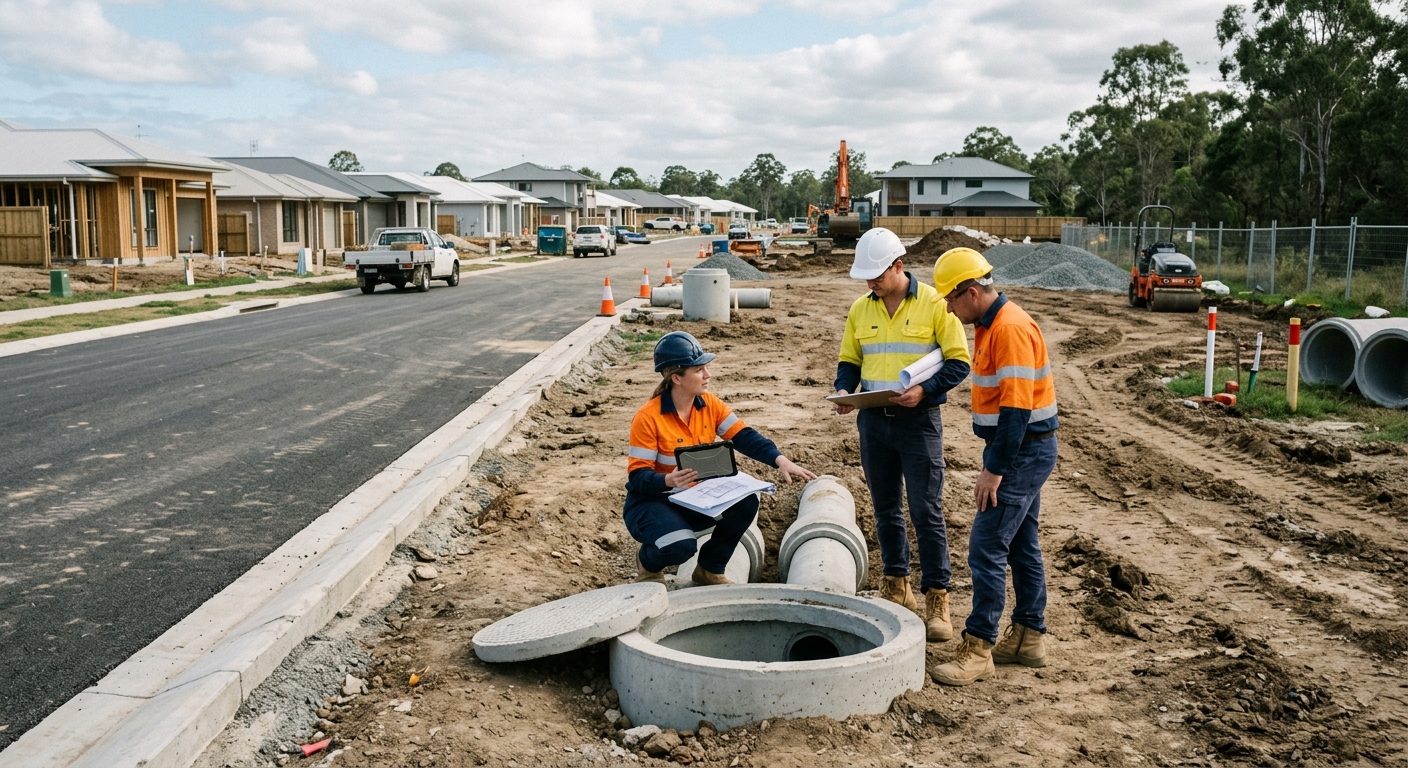
External sign-offs blow out timelines because their lead times sit outside the council's statutory clock and outside the project team's direct control. A council has defined timeframes for its own assessment, but a request to a referral agency or a service provider takes as long as that body takes. When one of these is requested late, at the point the plan is otherwise ready to seal, the whole project waits on a queue it has no influence over.
This is one of the most common structural causes of a stalled plan sealing, precisely because the dependency is easy to overlook until it is on the critical path. The condition was known from the day the approval issued; the lead time was always going to apply. The delay comes from when the request was made, not from the request itself. It is a recurring theme in why plan sealing breaks down at the end.
Reducing the risk: action them early
The way to reduce the risk of external sign-offs is to identify every one at the start and action the long-lead items well before they sit on the critical path. When the approval is issued, the condition schedule already tells you which conditions depend on an outside body. Those conditions should be flagged, assigned an owner, and started early, regardless of where they fall in the construction sequence.
In practice this means treating the referral and service dependencies as first-class items in your development approval condition tracking, not as an afterthought. Councils see the same pattern across their growth areas, which is why council-specific guidance, for example on Ipswich DA conditions and Brisbane DA conditions, so often highlights State transport and utility referrals as the items to start early. The sign-off will still take the time it takes; the point is to make sure it is not the last thing standing between a finished project and a sealed plan.
Frequently asked questions
What is the difference between a concurrence agency and an advice agency in Queensland?
A concurrence agency can direct the assessment manager to refuse a development application or to attach mandatory conditions, within its jurisdiction, and that direction binds the council. An advice agency can only offer advice, including recommended conditions, which the assessment manager must consider but is not bound to follow. Both are types of referral agency under the Planning Act 2016.
Is Transport and Main Roads a referral agency for subdivisions?
Where a subdivision affects a state-controlled road or other State transport infrastructure, the application is referred to the State through the State Assessment and Referral Agency (SARA), with the Department of Transport and Main Roads providing the technical assessment of transport impacts. SARA is the single lodgement and assessment point for most applications where the State has jurisdiction.
Are Unitywater and Energex sign-offs part of the planning approval?
Not always in the same way. Water and sewer distributor-retailers such as Unitywater generally handle connection and infrastructure approvals through their own separate process rather than as a Planning Act referral. Energex states it acts as a referral agency under the Development Assessment Rules of the Planning Act 2016 where triggered. Either way, the relevant water, sewer and electricity sign-offs must be obtained before the plan can seal.
Why do referral agency conditions cause delays?
Referral agency and external service conditions cause delays because their lead times sit outside the council's assessment clock and outside the project team's control. When they are requested late, the project waits on an external queue at the exact point it is otherwise ready to seal. Actioning them early, as soon as the approval identifies them, is the most reliable way to keep them off the critical path.
Referral agency conditions and external sign-offs are predictable. The bodies involved are known, the triggers are set out in legislation, and the lead times are broadly understood. What turns them into delays is timing. Started early and tracked as live dependencies, they become a managed part of the program rather than the reason a finished subdivision cannot settle.
Learn more about PlanEase
PlanEase flags the conditions that depend on external bodies from day one, so referral and service sign-offs are started early and never left on the critical path.
See how PlanEase works →