DA conditions · Redland
Redland City Council DA Conditions: Plan Sealing and Approval Management
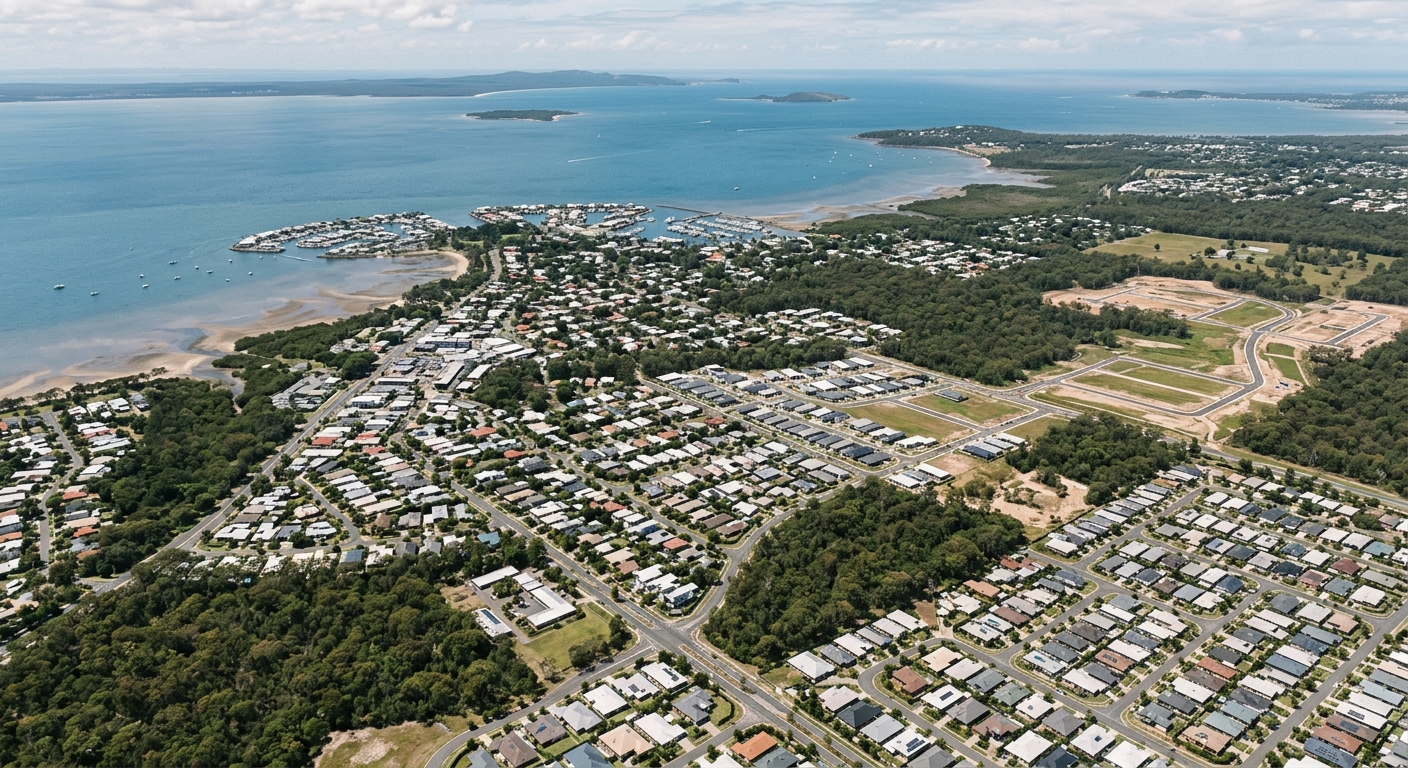
Redland City Council assesses subdivision on land wrapped around Moreton Bay, where coastal, waterway, and koala habitat constraints shape the condition schedule from the first day of approval.
Redland City covers the bayside suburbs and islands of Moreton Bay, from Capalaba and Cleveland through to Redland Bay and the Southern Moreton Bay Islands. Development approvals for subdivision here reflect a landscape where urban land sits alongside significant environmental values, which means condition schedules routinely carry coastal, waterway, bushfire, and koala habitat requirements in addition to the standard infrastructure conditions.
Redland City Council assesses these applications under the Redland City Plan, its planning scheme for the Redlands Coast. According to the Council, the current Redland City Plan was adopted in July 2018 and came into effect on 8 October 2018, replacing the earlier Redlands Planning Scheme 2006. Subdivision approvals under this scheme include conditions from the assessment manager and, where state interests are triggered, from referral agencies.
Managing those conditions from approval through to plan sealing is what separates a Redlands project that settles on schedule from one that stalls at the final step.
How Redland DA conditions are structured
Redland City Council development approvals combine assessment manager conditions with referral agency conditions where a state interest applies. Under the Planning Act 2016 and the Planning Regulation 2017, referrals to state agencies (coordinated through the State Assessment and Referral Agency) are triggered by matters such as state-controlled roads, coastal management, and mapped environmental values, so the exact referral position depends on the site.
A point that catches teams new to the Redlands is water and sewerage. The Redlands are not serviced by Unitywater. Redland City Council delivers water and wastewater directly through its City Water business unit, which the Council describes as responsible for distributing water and collecting and treating wastewater in the Redlands, buying bulk water from Seqwater. For subdivision projects, this means the water and sewer conditions and connection sign-offs run through the Council itself rather than a separate distributor-retailer.
Environmental conditions are prominent on many Redlands approvals. The Council maps koala and wildlife habitat across the city and uses it in development decisions, and the City Plan responds to natural hazards including flooding and bushfire alongside coastal values on land adjoining Moreton Bay. Conditions covering vegetation retention, habitat protection, waterway buffers, and stormwater quality are common, and each carries its own evidence requirement at plan sealing.
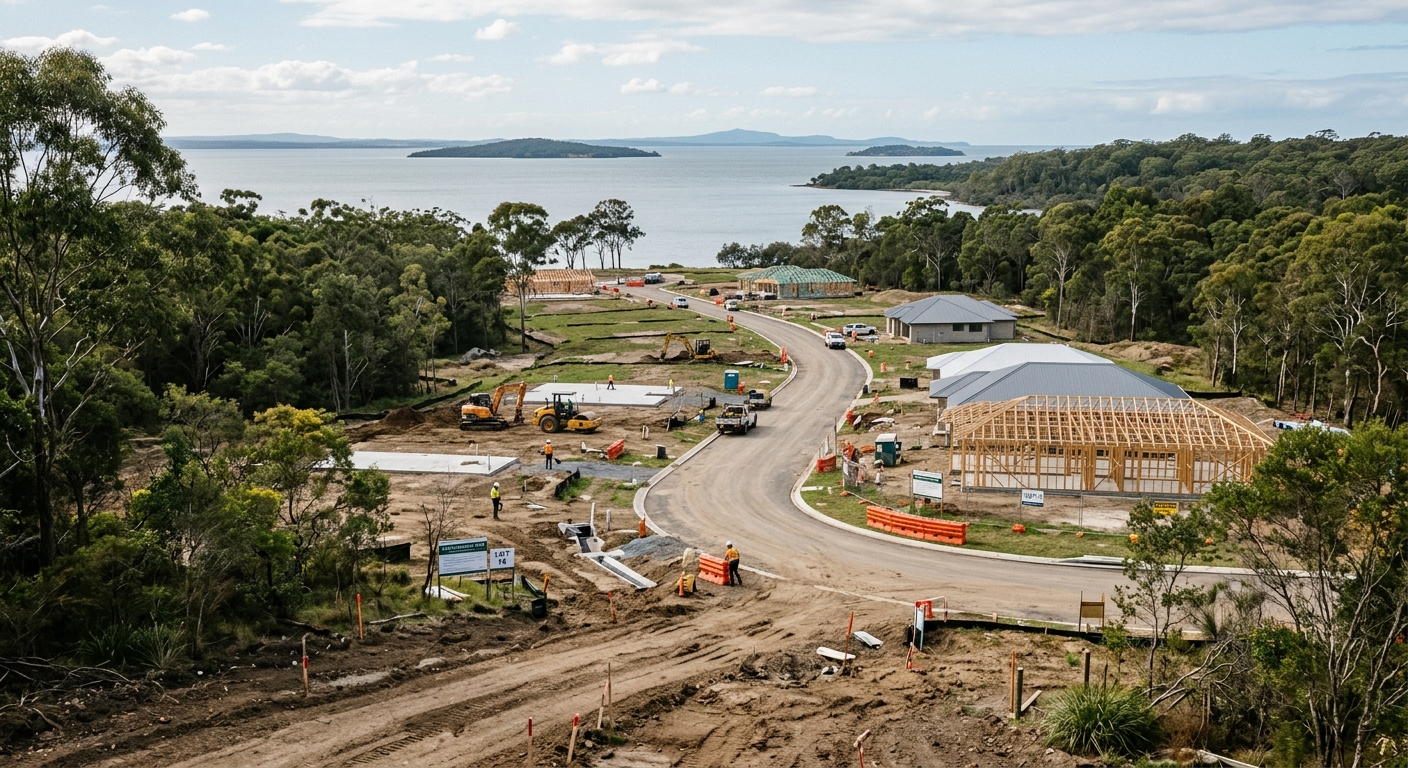
Larger Redlands subdivisions typically require a separate operational works approval for roads, drainage, and civil infrastructure. Conditions from the operational works approval must be satisfied and certified alongside the reconfiguration conditions before the plan can be sealed.
Where Redland projects run into problems
Environmental and habitat conditions are a specific pressure point in the Redlands. Conditions that require works to protect mapped habitat, retain vegetation, or rehabilitate waterway corridors often cannot be signed off until physical works are complete and inspected. If certification of these works is left until plan sealing preparation, it becomes an outstanding item at the worst possible time.
Because water and sewerage sit with the Council rather than a separate distributor-retailer, teams that assume a Unitywater process (as applies in Brisbane, Logan, or Moreton Bay) can misjudge who signs off what. Confirming the Redlands water and sewer requirements early avoids a late scramble to obtain the right evidence in the right form.
Island and bayside projects can involve coastal management and flood considerations that add conditions unfamiliar to teams used to inland subdivision. These conditions are not difficult to satisfy when actioned early, but they add lead time that needs to be built into the program.
On staged Redlands subdivisions, conditions that apply across stages create confusion about what is required at each individual lodgement. Without clear tracking of which conditions belong to which stage, a plan sealing application can be lodged incomplete and returned.
Time savings from structured condition management
Redlands projects that identify their environmental, coastal, and water conditions early and treat them as active workstreams consistently avoid the delays that appear when these items are left to the plan sealing phase. The processes are known. The saving comes from starting them with enough lead time to finish without urgency.
For operational works and habitat conditions, building certification milestones into the construction program, and obtaining sign-off at practical completion rather than at plan sealing, removes a reliable source of last-minute friction.
A Redland City Council plan sealing application that is complete on lodgement proceeds on the assessment timeframe. An application with outstanding matters generates a request that adds weeks. The time saving from a complete first submission is direct and repeatable across a portfolio of bayside projects.
Risk reduction for Redland development projects
Redlands subdivision projects carry the same settlement risk as any Queensland development. Unconditional contracts, drawn finance facilities, and purchasers with fixed plans mean that every week of delay at plan sealing has a measurable holding cost.
The specific risk in the Redlands comes from the environmental complexity of the condition schedule (habitat, vegetation, waterways, coastal matters) combined with a water and sewer process that runs through the Council. Managed informally, these are easy to lose track of across a multi-year project.
A structured condition register that makes the full compliance position visible, and keeps it current as the project progresses, is the most reliable way to manage that risk. See why plan sealing breaks down at the end for more on how these gaps accumulate.
Practical approach to Redland condition management
Review the full Redland City Plan condition schedule at approval, with particular attention to habitat, vegetation, waterway, coastal, and operational works conditions. These need the most lead time and should be actioned first.
Confirm the water and sewerage requirements with the Council directly, given that City Water rather than a separate distributor-retailer manages connections in the Redlands. Establish what evidence is required and in what form well before the plan is ready for sealing.
PlanEase supports structured condition management for Redland City Council projects: tracking conditions from approval, assigning responsibility, and building the compliance record progressively. See also managing DA conditions across a project and subdivision plan sealing across South East Queensland.
Frequently asked questions
What planning scheme applies to development in Redland City?
Redland City Council assesses development under the Redland City Plan, the planning scheme for the Redlands Coast. According to the Council, the current City Plan came into effect on 8 October 2018 and replaced the Redlands Planning Scheme 2006. It sets the zones, overlays, and codes that shape DA conditions for subdivision projects across the bayside suburbs and islands.
Who provides water and sewerage services in the Redlands?
Redland City Council delivers water and wastewater directly through its City Water business unit, rather than through Unitywater. The Council describes City Water as responsible for distributing water and collecting and treating wastewater in the Redlands, and it buys bulk water from Seqwater. For subdivision projects, water and sewer conditions and connection sign-offs are handled through the Council itself.
Why do Redlands subdivisions carry so many environmental conditions?
The Redlands sit around Moreton Bay and contain significant koala and wildlife habitat, waterways, and coastal land. Redland City Council maps koala and wildlife habitat and uses it in development decisions, and the City Plan responds to flooding and bushfire hazard. As a result, subdivision approvals often carry conditions on vegetation retention, habitat protection, waterway buffers, and stormwater quality, each with its own evidence requirement at plan sealing.
How do operational works conditions affect plan sealing in the Redlands?
Many Redlands subdivisions require a separate operational works approval for roads, drainage, and civil works. That approval has its own condition schedule, and compliance (including certification that works were completed to the approved design) must be demonstrated as part of plan sealing. Tracking the reconfiguration and operational works conditions in the same system reduces the risk of gaps between them.
Redland City Council DA conditions reflect the environmental setting of the Redlands Coast. The combination of habitat, waterway, coastal, and operational works conditions, together with a Council-run water and sewer process, makes structured management essential. Projects that track conditions from approval and address them progressively arrive at plan sealing ready to lodge a complete application and proceed to registration without avoidable delays.
Learn more about PlanEase
DA condition management for Redland City Council subdivision projects.
See how PlanEase works →