DA conditions · Noosa
Noosa Shire Council DA Conditions: Plan Sealing and Approval Management
Noosa Shire Council applies some of the strongest environmental and character controls in Queensland, and its subdivision conditions reflect a planning scheme built to protect low-rise form, scenic amenity, and habitat.
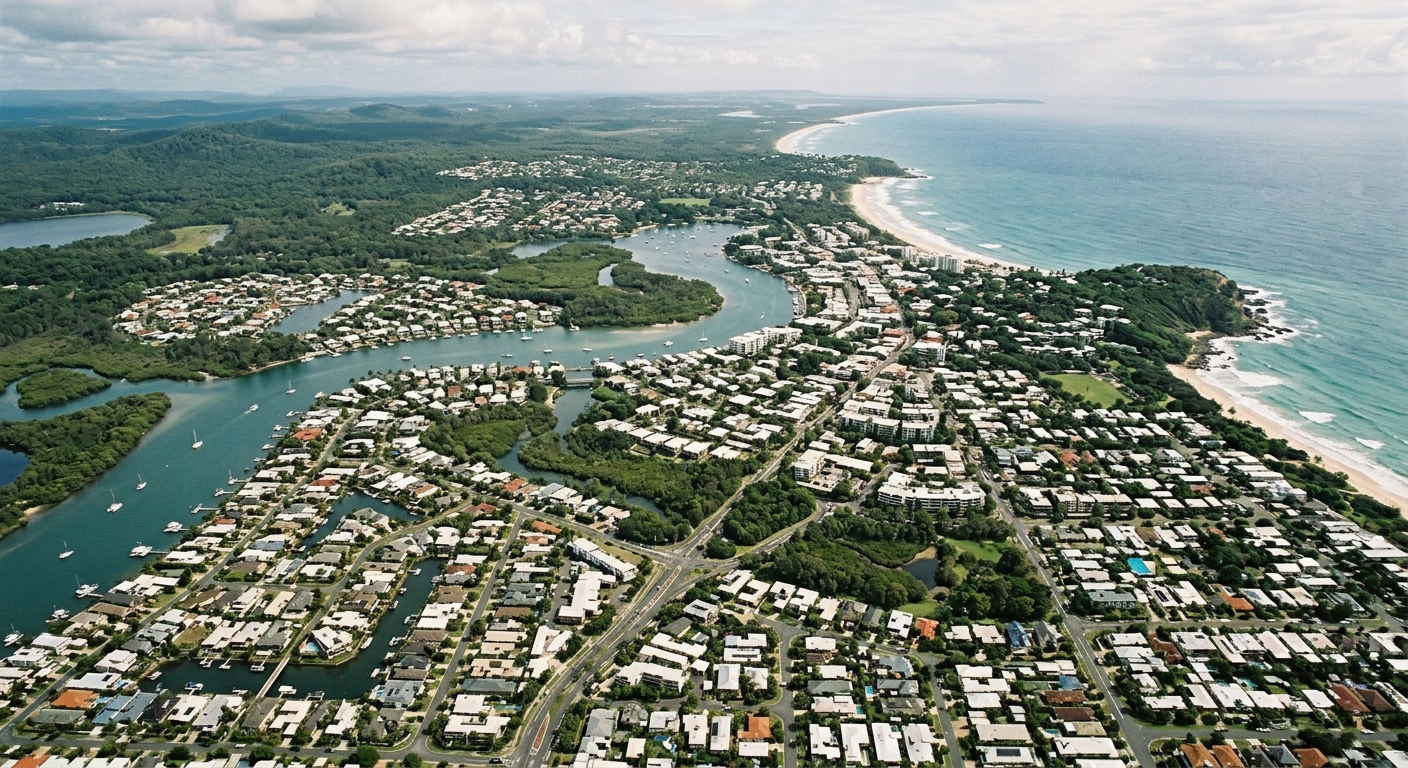
Noosa Shire covers the coastal town of Noosa and its hinterland on the northern Sunshine Coast, a landscape of beaches, the Noosa River, and forested hills. Subdivision here is shaped by a deliberate commitment to preserving that setting, which means condition schedules carry environmental, character, and scenic amenity requirements alongside the standard infrastructure conditions.
Noosa Shire Council assesses these applications under Noosa Plan 2020, its planning scheme prepared under the Planning Act 2016. According to the Council, Noosa Plan 2020 commenced on 31 July 2020 and has since been amended. Subdivision approvals under the scheme include conditions from the assessment manager and, where a state interest is triggered, from referral agencies.
Managing those conditions from approval through to plan sealing is what keeps a Noosa project moving to settlement rather than stalling at the final step.
How Noosa DA conditions are structured
Noosa Shire Council development approvals combine assessment manager conditions with referral agency conditions where a state interest applies. Under the Planning Act 2016 and the Planning Regulation 2017, referrals are coordinated through the State Assessment and Referral Agency and are triggered by matters such as state-controlled roads, coastal management, and mapped environmental values, so the referral position depends on the site.
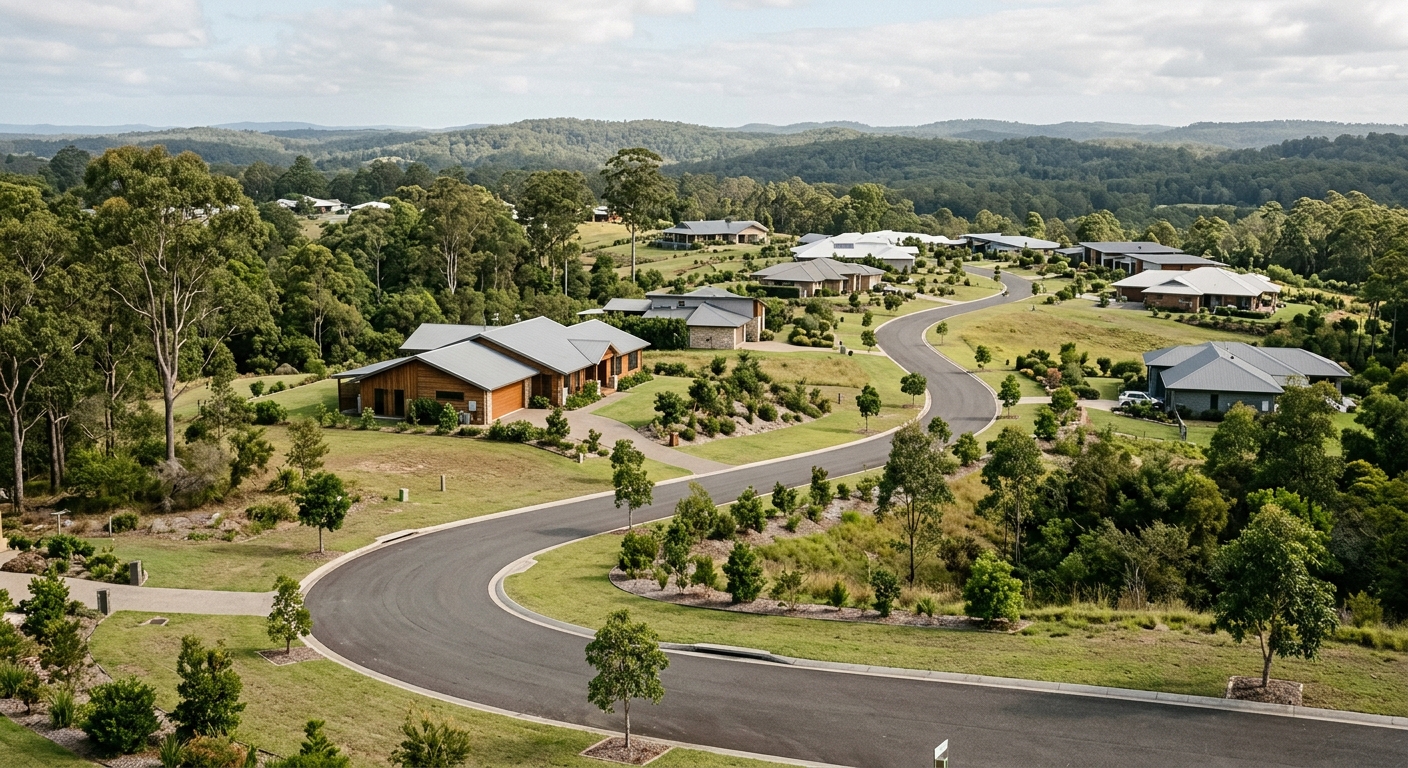
Character and building form controls are central to Noosa. The Council's Noosa Plan 2020 Strategic Framework states that the scheme seeks to maintain low-rise building heights, with new buildings predominantly one to three storeys high and limited to an absolute height measured in metres, and it uses firm urban boundaries, densities, and building heights to manage growth. For subdivision, this framework flows through to conditions on lot layout, density, and the interface with surrounding character.
Environmental conditions are prominent. Noosa is recognised as a UNESCO Biosphere Reserve (first declared in 2007), and Noosa Plan 2020 protects biodiversity, habitat, waterways, and scenic amenity through overlays and codes. Conditions covering vegetation retention, habitat protection, waterway buffers, and stormwater quality are common, and each carries its own evidence requirement at plan sealing. Water and sewerage for the shire are provided by Unitywater.
Larger Noosa subdivisions typically require a separate operational works approval for roads, drainage, and civil infrastructure. Conditions from that approval must be satisfied and certified alongside the reconfiguration conditions before the plan can be sealed.
Where Noosa projects run into problems
Environmental and character conditions are the specific pressure point in Noosa. Conditions that require works to protect mapped habitat, retain vegetation, or manage waterway corridors often cannot be signed off until physical works are complete and inspected. Left to plan sealing preparation, certification of these works becomes an outstanding item at the worst possible time.
Noosa's strong character controls mean that ambiguity in a condition (for example, works to be completed to Council's satisfaction on landscaping, screening, or amenity) carries real risk if interpreted loosely. Clarifying the expectation early avoids satisfying a condition in a way the Council later considers insufficient.
A useful piece of context: PlanEase analysis of public Queensland council DA registers over the rolling three months to 14 August 2026 found Noosa recorded the fastest median time to decision among the councils analysed, at about 9 days. A fast decision is not the same as a fast path to titles, though. The decision starts the condition-compliance stage, and that post-approval work, satisfying conditions through to plan sealing, is where projects lose the time that a quick approval saved.
Approximate figures from PlanEase's analysis of public registers, data updated 16 August 2026, subject to revision. Not official statistics.
On staged Noosa subdivisions, conditions that apply across stages create confusion about what is required at each lodgement. Without clear tracking of which conditions belong to which stage, a plan sealing application can be lodged incomplete and returned.
Time savings from structured condition management
Noosa projects that identify their environmental, character, and operational works conditions early and treat them as active workstreams consistently avoid the delays that appear when these items are left to the plan sealing phase. The processes are known; the saving comes from starting them with enough lead time to finish without urgency.
For habitat and operational works conditions, building certification milestones into the construction program, and obtaining sign-off at practical completion rather than at plan sealing, removes a reliable source of last-minute friction.
A Noosa Shire Council plan sealing application that is complete on lodgement proceeds on the assessment timeframe. An application with outstanding matters generates a request that adds weeks, which can quietly undo the advantage of a fast initial decision. See South East Queensland DA decision times for how Noosa compares on the measured front of the pipeline.
Risk reduction for Noosa development projects
Noosa subdivision projects carry the same settlement risk as any Queensland development. Unconditional contracts, drawn finance facilities, and purchasers with fixed plans mean each week of delay at plan sealing has a measurable holding cost.
The specific risk in Noosa comes from the environmental and character complexity of the condition schedule (habitat, vegetation, waterways, scenic amenity, and low-rise form) which requires careful, evidenced compliance. Managed informally, these conditions are easy to lose track of across a multi-year project.
A structured condition register that keeps the full compliance position visible and current is the most reliable way to manage that risk. See why plan sealing breaks down at the end for more on how these gaps accumulate.
Practical approach to Noosa condition management
Review the full Noosa Plan 2020 condition schedule at approval, with particular attention to habitat, vegetation, waterway, scenic amenity, and operational works conditions. These need the most lead time and should be actioned first.
Where a condition is open-ended (to be completed to the Council's satisfaction), clarify the expectation early rather than interpreting it at plan sealing. Noosa's character controls make this particularly worthwhile.
PlanEase supports structured condition management for Noosa Shire Council projects: tracking conditions from approval, assigning responsibility, and building the compliance record progressively. See also managing DA conditions across a project and subdivision plan sealing across South East Queensland.
Frequently asked questions
What planning scheme applies to development in Noosa Shire?
Noosa Shire Council assesses development under Noosa Plan 2020, prepared under the Planning Act 2016. According to the Council, Noosa Plan 2020 commenced on 31 July 2020 and has since been amended. It sets the zones, overlays, and codes that shape DA conditions for subdivision across the shire, with a strong emphasis on environmental protection and low-rise character.
Are there building height limits in Noosa?
Yes. The Council's Noosa Plan 2020 Strategic Framework states that the scheme seeks to maintain low-rise building heights, with new buildings predominantly one to three storeys high and limited to an absolute height measured in metres. Firm urban boundaries, densities, and building heights are used to manage growth, and these settings flow through to how subdivision and development are conditioned.
Why do Noosa subdivisions carry strong environmental conditions?
Noosa is recognised as a UNESCO Biosphere Reserve, first declared in 2007, and Noosa Plan 2020 protects biodiversity, habitat, waterways, and scenic amenity through overlays and codes. Subdivision approvals commonly carry conditions on vegetation retention, habitat protection, waterway buffers, and stormwater quality, each with its own evidence requirement that must be satisfied before plan sealing.
Does a fast DA decision in Noosa mean a fast path to settlement?
Not on its own. PlanEase analysis of Queensland council DA registers found Noosa recorded the fastest median time to decision among the councils analysed, at about 9 days over the rolling three months to 14 August 2026. But the decision only starts the condition-compliance stage. Satisfying conditions through to plan sealing and titles is where the remaining time sits, and that stage rewards structured tracking rather than a quick approval.
Noosa Shire Council DA conditions reflect the shire's environmental values and its commitment to low-rise coastal and hinterland character. The combination of habitat, waterway, scenic amenity, character, and operational works conditions makes structured management essential. Projects that track conditions from approval and address them progressively arrive at plan sealing ready to lodge a complete application and proceed to registration without avoidable delays.
Learn more about PlanEase
DA condition management for Noosa Shire Council subdivision projects.
See how PlanEase works →