DA conditions · Logan
Logan City Council DA Conditions: Plan Sealing and Approval Management
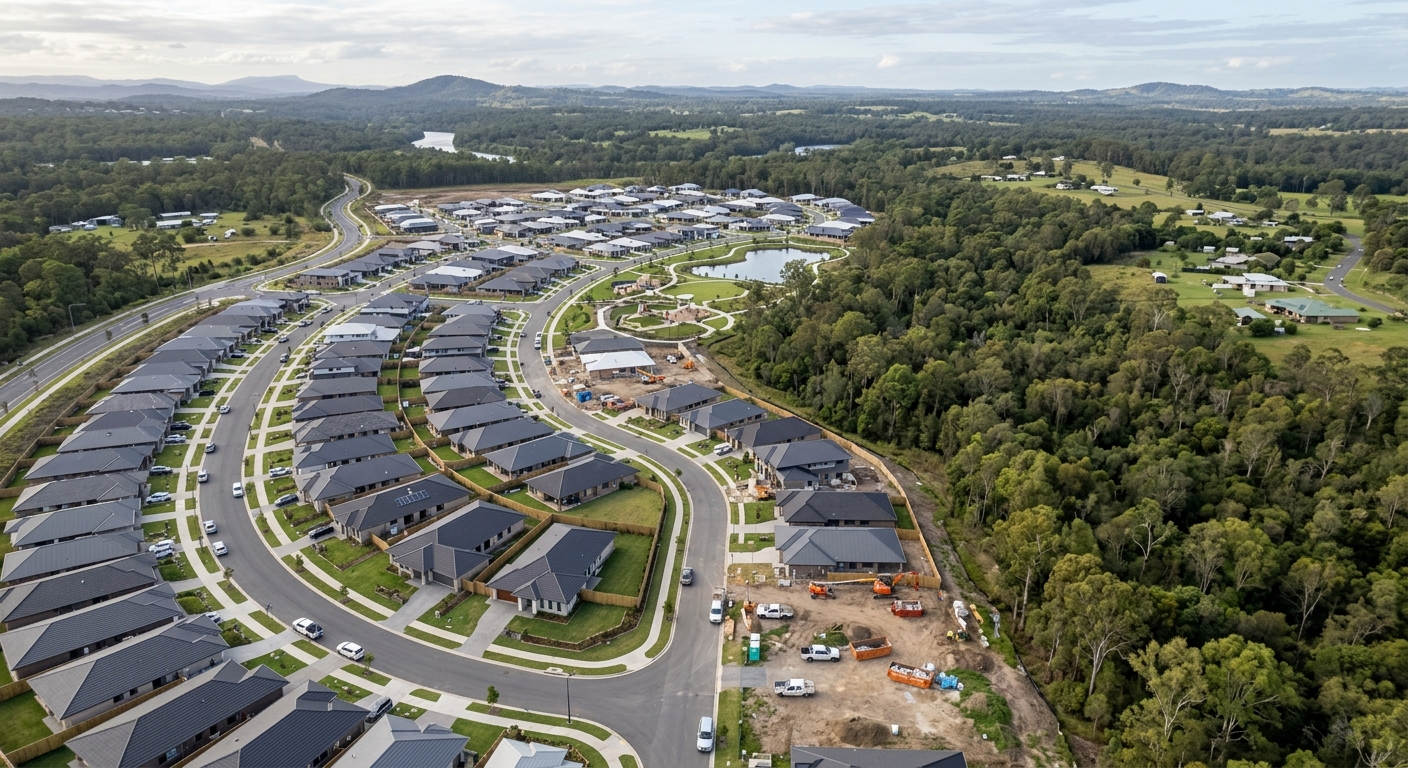
Logan City Council is one of the most active development LGAs in South East Queensland.
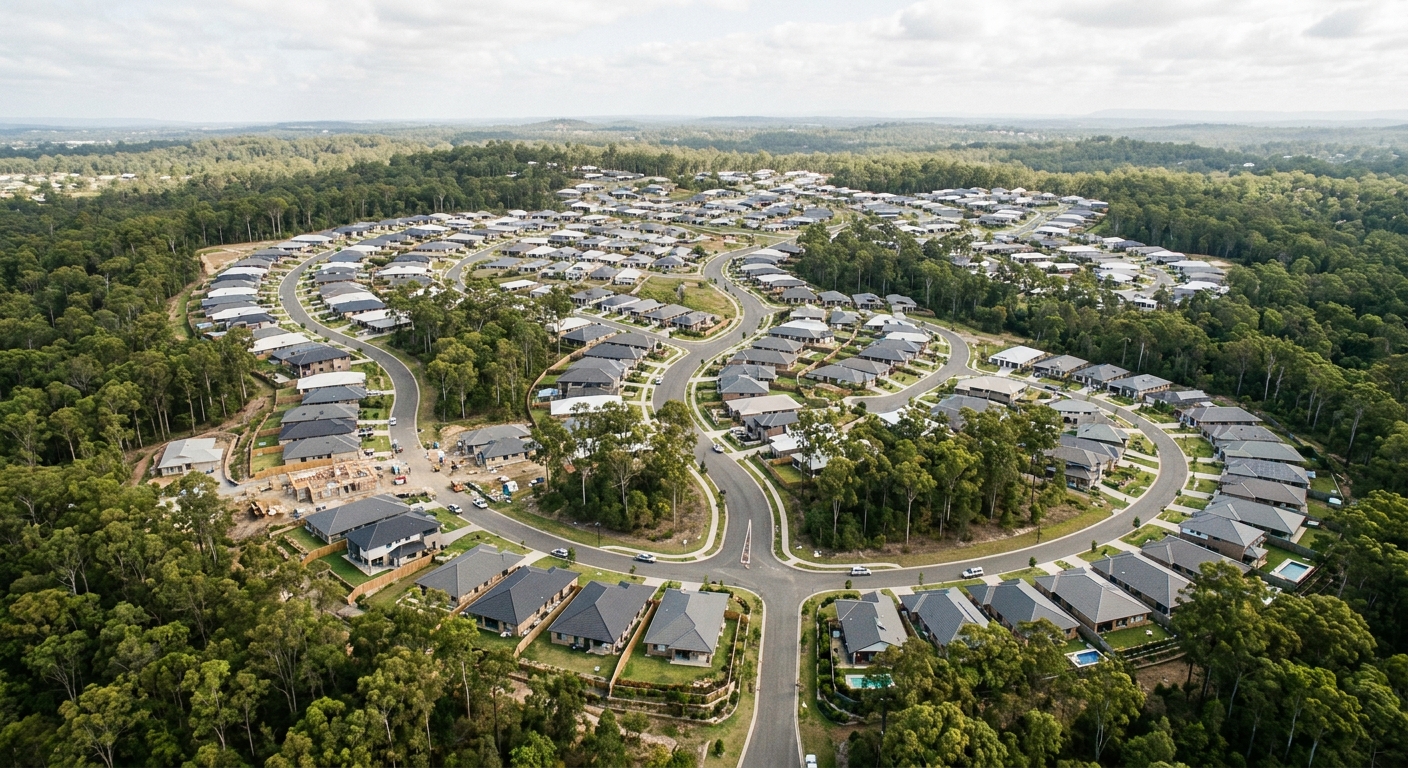
The city's position between Brisbane and the Gold Coast, combined with significant land supply in its growth corridors, has made it a major focus for residential subdivision. DA conditions on Logan subdivision approvals reflect this: they are typically comprehensive, with strong infrastructure requirements tied to the city's growth commitments.
Subdivision projects under the Logan Planning Scheme 2015 are assessed against the scheme's codes and policies. Conditions are issued by the assessment manager and referral agencies, with Unitywater playing a significant role in Logan given the city's infrastructure servicing arrangements.
Getting plan sealing right on a Logan project requires managing the full condition schedule from DA approval, not assembling it at the end.
How Logan DA conditions are structured
Logan City Council approval conditions are structured around the assessment manager's requirements and any applicable referral agency conditions. For subdivision projects, conditions typically cover infrastructure works, stormwater and drainage, road dedications, open space contributions, and utility connections.
Unitywater conditions are standard on Logan subdivisions. The authority services water and sewerage across Logan and imposes its own conditions on development approvals. Obtaining Unitywater's formal sign-off, through their developer works process, is a condition that must be satisfied before plan sealing and requires its own timeline and process to manage.
Infrastructure charges under the Logan Adopted Infrastructure Charges Resolution are calculated per lot. For staged subdivisions, charges may be payable at each stage lodgement. Confirming the charge position and ensuring payments are made at the right time, with receipts filed, is a recurring administrative requirement across Logan projects.
Logan's growth area projects often involve multiple condition categories (planning, infrastructure, environmental, and service authority) spread across a condition schedule that can run to 50 or more individual conditions on a larger project.
Where Logan projects run into problems
Unitywater is a consistent source of delay on Logan plan sealing applications. The authority's developer works process requires design approval, construction supervision, and final inspection before a compliance certificate is issued. If this process isn't managed as an active project workstream, with regular follow-up and clear milestones, it can become a last-minute critical path item.
Infrastructure works conditions on Logan projects often require certification from a registered civil engineer prior to plan sealing. If the certifier isn't engaged at the right point in the construction programme, or if the certification process isn't followed up after practical completion, it adds time to the plan sealing process.
Logan's active development market means that many projects are running simultaneously. Consultant teams, particularly civil engineers and planners, are managing multiple projects at once. Without a structured, shared condition record, individual conditions can fall through the gaps when attention is divided.
For staged Logan subdivisions, the complexity of tracking conditions across multiple stages, with some conditions applying across all stages and others specific to individual stages, requires a system rather than a spreadsheet.
Time savings from structured condition management
Logan projects that manage Unitywater and infrastructure conditions as active workstreams from the start of the project consistently move through plan sealing faster than those that address them reactively. The Unitywater process in particular benefits significantly from early engagement: the steps involved are known, and managing them against a timeline avoids last-minute delays.
Infrastructure charge payments and receipts are straightforward to manage if they're tracked against the condition schedule. When they're managed informally, the receipt can be lost between the developer's accounts team and the project team, a simple gap that creates unnecessary friction at lodgement.
Logan City Council plan sealing assessments run to a statutory timeframe. A complete application lodged on first submission proceeds on that timeline. An application with gaps generates outstanding matters that add weeks.
Risk reduction for Logan development projects
Logan's growth corridor projects typically involve significant numbers of unconditional contracts ahead of plan sealing. The financial exposure from settlement delays (holding costs, purchaser negotiations, potential claims) is material on projects of any scale.
The risk is concentrated in conditions with external dependencies. Unitywater sign-off, engineering certification, and council inspection conditions can't be resolved quickly when they're discovered at the last minute. Identifying them early and managing them proactively is the most direct risk reduction measure available.
A structured condition register, maintained across the project and visible to all parties, makes the risk position transparent at any point in the project. For more on the financial consequences of delays, see pressure at the point of plan sealing.
Practical approach to Logan condition management
On a Logan subdivision project, the first priority after DA approval is identifying the Unitywater and infrastructure conditions and building their requirements into the project programme. These are not plan sealing tasks. They are project delivery tasks that happen to be a prerequisite for plan sealing.
Infrastructure charge payments should be tracked against the project's financial programme, with receipts filed against the relevant condition at the time of payment. This is a simple step that's consistently overlooked until it matters.
PlanEase provides structured condition tracking for Logan City Council projects: from the full DA condition schedule through to plan sealing lodgement. Conditions are assigned, tracked, and evidenced progressively across the project team. See also managing DA conditions across a project and fragmentation across project teams.
Frequently asked questions
What planning scheme applies to Logan City Council development?
The Logan Planning Scheme 2015 is the applicable planning instrument. It governs land use and development across Logan City, including subdivision. The scheme includes specific provisions for Logan's growth areas and sets out the assessment framework that determines what conditions are imposed on development approvals.
What role does Unitywater play in Logan subdivision approvals?
Unitywater services water and sewerage across Logan City and is a referral agency for development applications affecting its infrastructure. Unitywater imposes its own conditions on approvals and has a developer works process that must be completed (including design approval, construction, and inspection) before a compliance certificate is issued. This process has its own timeline and must be managed as an active project workstream.
How are infrastructure charges handled for Logan subdivisions?
Infrastructure charges in Logan are calculated under the Logan Adopted Infrastructure Charges Resolution. They apply to trunk infrastructure including transport, parks, stormwater, water, and sewerage. Charges are typically payable at plan sealing or at agreed trigger points. Payment receipts must be included in the plan sealing application. Confirming payment position and securing receipts early avoids unnecessary friction at lodgement.
Which areas of Logan have the most active subdivision development?
Logan's major growth areas are concentrated in the southern and south-western parts of the city: Yarrabilba, Jimboomba, Park Ridge, and the areas around Flagstone. These corridors have seen sustained subdivision activity and have specific infrastructure requirements tied to council's growth area planning. Projects in these areas typically carry comprehensive condition schedules.
Logan City Council DA conditions reflect the city's infrastructure-led growth approach. Managing them, particularly Unitywater and infrastructure conditions, requires structured tracking from approval through to plan sealing. Projects that build this process in from the start consistently achieve better plan sealing outcomes and more reliable settlement timelines.
Learn more about PlanEase
DA condition management for Logan City Council subdivision projects.
See how PlanEase works →