DA conditions · Gold Coast
Gold Coast City Council DA Conditions: Plan Sealing and Approval Management
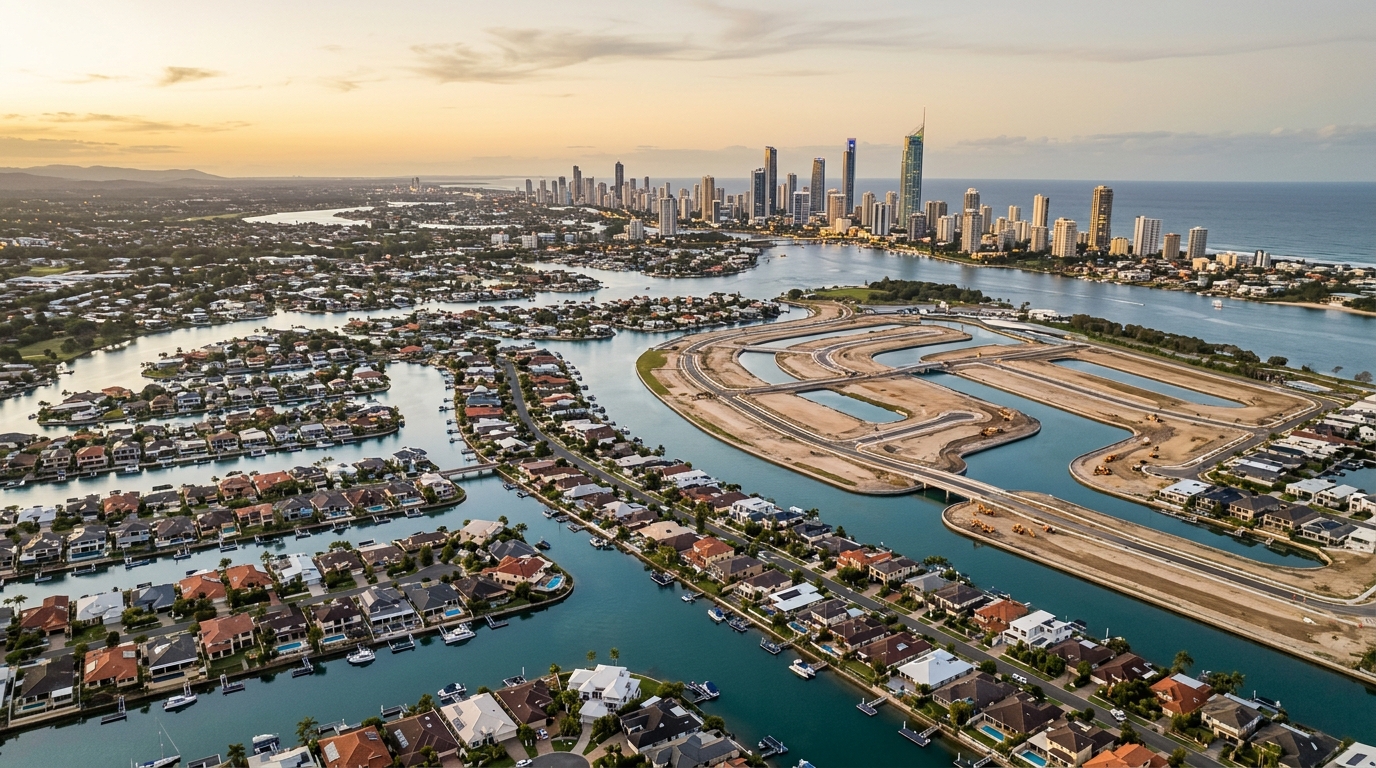
Gold Coast City Council manages development applications across one of the most active property markets in South East Queensland.
Subdivision projects under the Gold Coast City Plan 2016 carry condition schedules that reflect the city's diverse development contexts: coastal estates, hinterland subdivisions, and urban infill each come with their own specific requirements. In one of the most active property markets in South East Queensland, those conditions are what stand between an approval and a registered lot.
Gold Coast DA conditions are issued by the assessment manager and, where applicable, by referral agencies including Unitywater, Energex, and state government departments. Environmental and vegetation conditions are particularly common on Gold Coast approvals, reflecting the city's natural environment and overlay requirements under the City Plan.
Managing these conditions from DA approval through to plan sealing is the critical process that determines whether a Gold Coast subdivision project meets its settlement timeline.
How Gold Coast DA conditions are structured
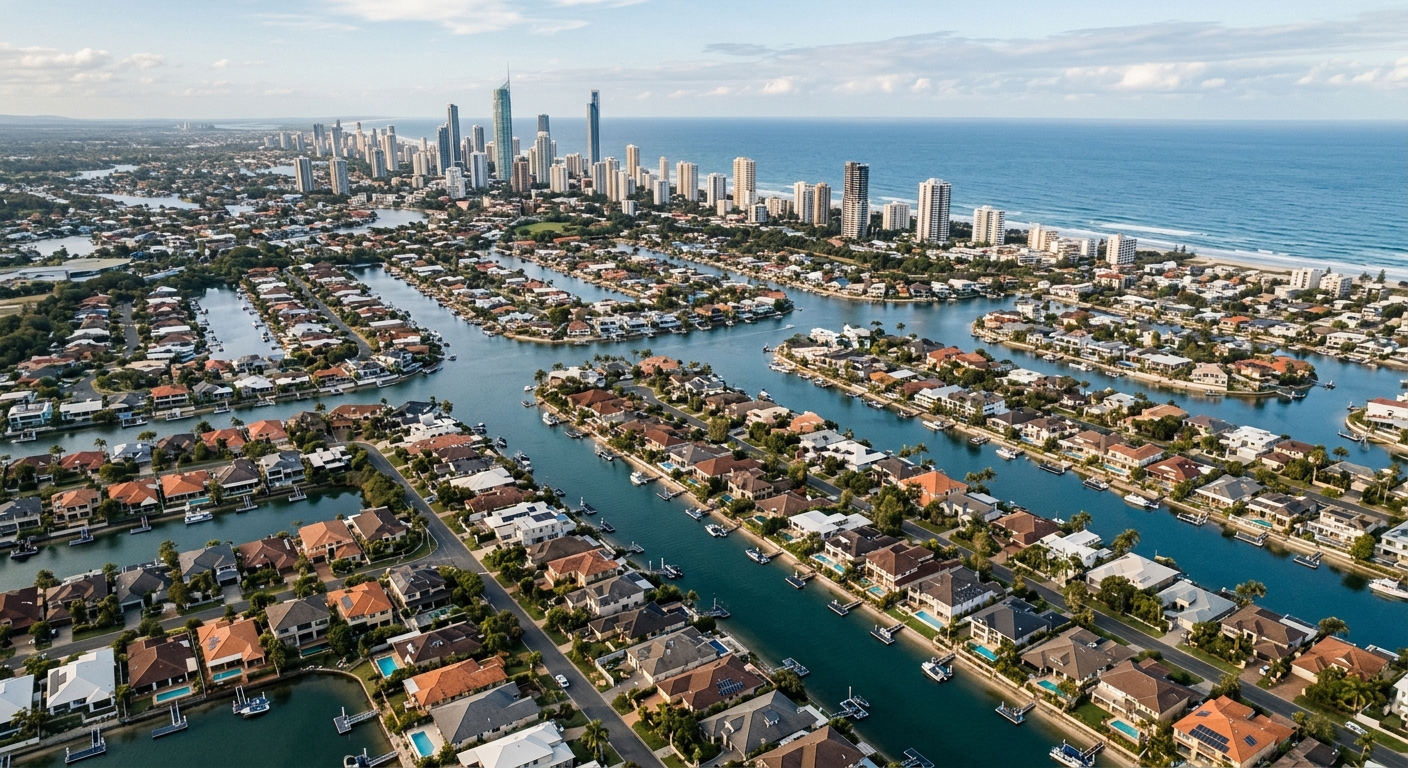
Gold Coast City Council approval conditions are grouped by category and specify trigger points: prior to commencement of works, prior to compliance certificate, or prior to plan sealing. The condition schedule is issued with the decision notice and forms the basis for the plan sealing application.
Environmental conditions are a notable feature of many Gold Coast approvals. Where development affects areas with vegetation overlays, waterway corridors, or coastal management requirements, conditions will typically require environmental management plans, revegetation works, and certification from a qualified ecologist or environmental consultant. These conditions require specialist input and have their own lead times.
Infrastructure charges under the Gold Coast Adopted Infrastructure Charges Resolution must be paid before plan sealing. For larger projects, charges may be staged across the development, with payments required at specific trigger points.
Council's plan sealing submission requirements should be confirmed early. Gold Coast has its own forms and checklist requirements for plan sealing applications. Submitting in the wrong format or missing a council-specific requirement is a straightforward cause of avoidable delay.
Where Gold Coast projects run into problems
Environmental conditions are among the most common sources of delay on Gold Coast subdivision projects. Revegetation works need to be established and certified. Fauna management plans need to be implemented and reported on. These aren't conditions that can be addressed at the last minute. They require time to execute and evidence to demonstrate.
Coastal and waterway conditions add another layer. Projects affecting waterway corridors may require specific engineering works, erosion control, and ongoing monitoring. If these conditions are managed informally, the compliance record at plan sealing can be incomplete even where the works have been done.
Unitywater and Energex approvals are required on most Gold Coast subdivision projects. The process of obtaining formal sign-off from these authorities follows their own timelines. Projects that don't initiate these approvals early find themselves waiting at plan sealing for responses that should have been obtained months earlier.
On staged Gold Coast subdivisions, common in the northern growth corridor and hinterland areas, the complexity of managing conditions across multiple stages and multiple lodgements makes a structured approach particularly important.
Time savings from structured condition management
Gold Coast projects that track DA conditions progressively avoid the reconstruction problem at plan sealing. Environmental certifications, utility authority approvals, and infrastructure charge receipts are collected and filed as they're produced, not chased in a last-minute scramble.
For environmental conditions specifically, progressive tracking means that ongoing obligations (monitoring, maintenance, reporting) are documented as they're completed. By the time the plan sealing application is being prepared, the evidence record reflects what was actually done, not a reconstruction from memory and emails.
Outstanding matters letters from Gold Coast City Council add weeks to the plan sealing timeline. On a market where purchaser expectations and settlement dates are tightly held, that time has direct commercial value.
Risk reduction for Gold Coast development projects
Gold Coast's strong residential land market means that settlement pressure at plan sealing is real. Projects with multiple unconditional contracts have significant exposure to the financial and legal consequences of settlement delays.
Environmental conditions carry a specific risk that other conditions don't: they can require works or certifications that take time to complete regardless of how quickly the project team responds. Discovering late that a revegetation condition hasn't been formally certified, or that an environmental management plan wasn't implemented as required, can create delays that aren't quick to fix.
The risk reduction from structured condition management is highest for conditions with long lead times or external dependencies. Identifying these conditions early and managing them proactively is the most effective way to protect the project timeline. See lack of early visibility of issues for more on how late discovery amplifies risk.
Practical approach to Gold Coast condition management
Review the full Gold Coast DA condition schedule at approval. Identify environmental and referral agency conditions immediately: these have the longest lead times and should be actioned first, not last.
Build environmental certification milestones into the construction and project programme. If revegetation needs to be established and certified prior to plan sealing, that process needs to start early enough to allow for establishment time. Treating it as a plan sealing task rather than a project milestone is a consistent source of delay.
PlanEase supports condition management for Gold Coast projects across the full condition schedule: planning, infrastructure, environmental, and referral agency conditions. Each condition is tracked with responsibility assigned and compliance evidence attached as it's produced. For a broader view of how DA conditions are managed across projects, see managing DA conditions across a project and subdivision plan sealing in South East Queensland.
Frequently asked questions
What planning scheme governs development in Gold Coast City Council?
Gold Coast City Plan 2016 is the applicable planning scheme. It includes zone provisions, overlay codes, and development codes that shape what conditions are imposed on subdivision approvals. Environmental overlays (vegetation management, waterway corridors, coastal management) are particularly relevant for many Gold Coast locations and often result in specific conditions that require specialist management.
Are environmental conditions common on Gold Coast subdivision approvals?
Yes. Gold Coast has significant environmental overlays, particularly for vegetation management, waterway corridors, and coastal areas. Projects affecting these areas typically receive conditions requiring environmental management plans, fauna management, revegetation works, and ongoing monitoring. These conditions require specialist input and time to satisfy. They can't be addressed at plan sealing.
How are infrastructure charges calculated for Gold Coast subdivisions?
Infrastructure charges are calculated under the Gold Coast Adopted Infrastructure Charges Resolution. Charges apply to trunk infrastructure: transport, parks, stormwater, water, and sewerage. The charge is calculated based on the type and scale of development. Charges must be paid before plan sealing and payment receipts included in the application.
Which areas of Gold Coast see the most subdivision activity?
Major subdivision activity in the Gold Coast area is concentrated in the northern growth corridor (Coomera, Pimpama, Ormeau), the southern areas (Varsity Lakes, Merrimac), and hinterland locations (Mudgeeraba, Worongary). Each area has its own infrastructure capacity position and environmental context, which shapes the specific conditions on DA approvals in those locations.
Gold Coast City Council DA conditions reflect the city's diverse development environment. Managing them, particularly environmental and referral agency conditions, requires structured tracking from DA approval through to plan sealing. Projects that do this consistently arrive at lodgement with a complete record and meet their settlement commitments more reliably.
Learn more about PlanEase
DA condition management for Gold Coast City Council subdivision projects.
See how PlanEase works →