
EDQ and PDAs · Part 2 of 2
Managing PDA Conditions Through to Plan Sealing
The stage after a PDA approval, satisfying its conditions and sealing the plan, is EDQ's own domain: EDQ imposes the conditions, and EDQ seals the plan. It is also the least structured part of the process. PlanEase is the platform built to run it, one live record of every condition that EDQ and the delivery teams work from together, from approval through to a registered title.
Part 1 argued that Queensland's housing targets are won or lost after approval, at the stage EDQ calls plan sealing (see where delivery is won or lost after approval). What it did not dwell on is that this stage is already EDQ's own. EDQ imposes the conditions attached to a PDA approval, and EDQ performs the plan sealing that confirms they have been met. The decision at the front of the process runs to a 40 business day clock; the stage after it, where the conditions are actually satisfied, runs to no clock at all.
The stage EDQ already owns
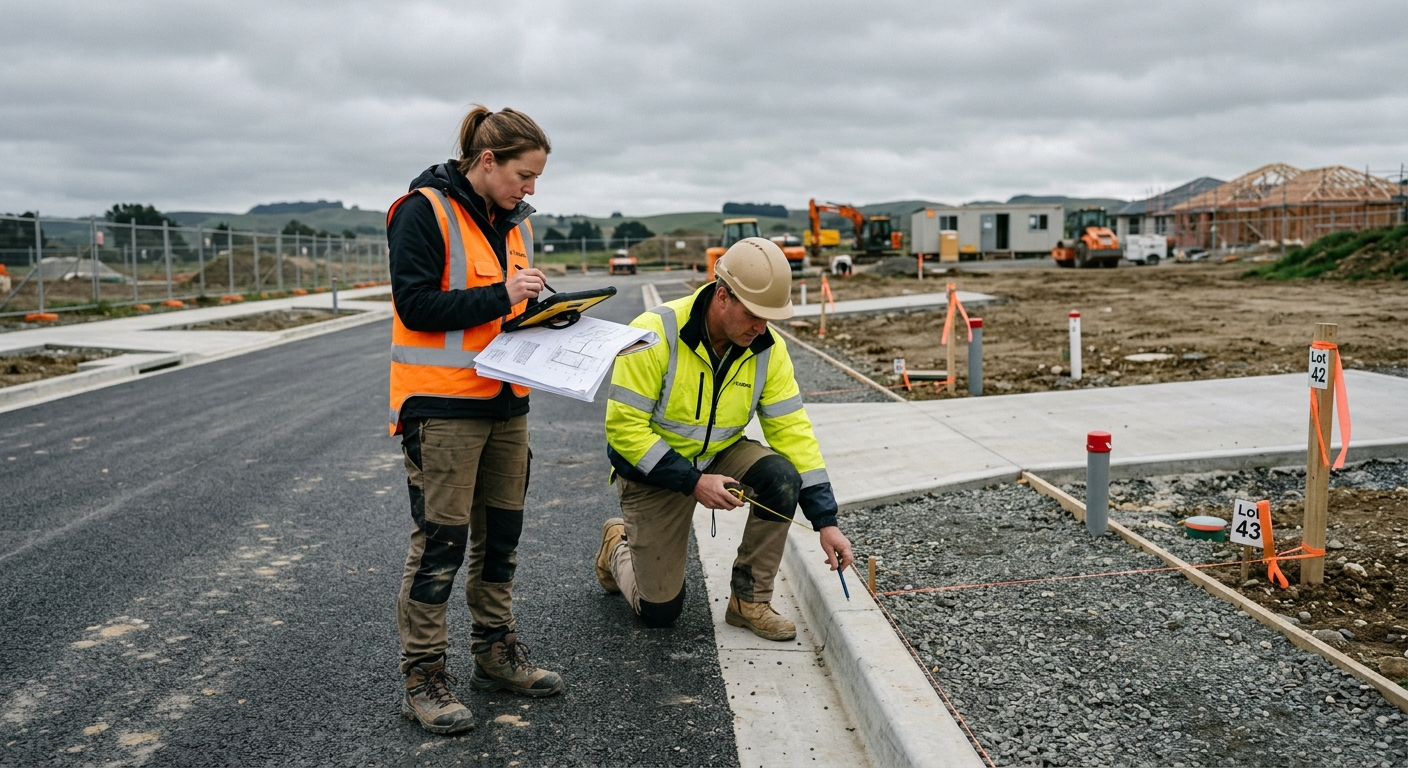
Between an EDQ approval and a titled lot sits a schedule of conditions drawn from the development scheme, covering infrastructure, operational works, dedications, financial obligations and more. The delivery team satisfies them; EDQ confirms them and seals the plan. Today that back and forth tends to live in email, spreadsheets and separate systems, and the full picture only assembles itself when a plan is lodged for sealing, which is the worst possible moment to discover a gap. Run on one platform, the same stage looks very different.
- Every condition has an owner and a live status, visible to the delivery team and to EDQ, rather than buried in a document reopened only at lodgement.
- Evidence is attached to each condition as the work is completed, so a plan-sealing request confirms what is already recorded instead of reconstructing it.
- Problems surface early, while there is still time and budget to resolve them, rather than at the sealing counter.
- The record is one shared source of truth, so EDQ and the team are never working from different versions of where a project stands.
Managed progressively, plan sealing becomes a confirmation that the work is finished, not a scramble to prove it.
This is the whole design of PlanEase. It is a plan-sealing and DA condition-management platform, and its entire focus is the stage after approval. It holds every development-approval condition, its owner and its evidence, and carries it from the day of approval through to plan sealing and a registered title. It is the operational system that stage runs on, not a report about it. The mechanics are set out in our guides to plan sealing in Priority Development Areas and plan sealing software.
How this shortens delivery
The effect is direct. When every condition is owned, evidenced and visible to both sides, the issues that would otherwise appear at plan sealing surface months earlier, while there is still room in the program to deal with them. The plan is lodged from a record that has been built as the project ran, and it seals on the first pass rather than cycling through rounds of outstanding matters. Repeated across the stages of a PDA, that is weeks of delivery time recovered.
PlanEase runs the post-approval stage as one shared record, not a report about it.
Where this meets government's objectives
Every objective EDQ serves points the same way. Homes for Queenslanders needs a million new homes by 2046, and the National Housing Accord needs Queensland's 246,000-home share, which the state is currently tracking to miss. Neither is met by approving more; both are met by converting approvals into titled, settleable lots more quickly. Shortening the stage between approval and title adds supply without altering a single planning outcome, and it is the one part of the pipeline EDQ both owns and can tighten directly. Our guide to EDQ development approvals and conditions sets out how the approval framework leads into it.
The investment on the supply side is already substantial: a $2 billion Residential Activation Fund for enabling infrastructure, and an EDQ-led Land Activation Program that drew on a Provisional Priority Development Area in May 2026 to fast-track more than 5,000 homes on surplus state land. Those measures unlock and approve land more quickly. Running the conditions behind each of those approvals through to plan sealing on one platform is what turns them into titled lots, rather than adding to a pipeline that already accumulates faster than it clears.
Missed Part 1?
Part 1 sets out where PDA delivery is won or lost: the scale of the task, the off-track housing targets, and why the decisive stage now sits after approval.
Read Part 1 →Frequently asked questions
What is plan sealing and why does it matter for delivery?
Plan sealing is the step where EDQ officially approves the survey plan after confirming that all conditions of the PDA development approval and all infrastructure requirements have been met. It is required before a lot title can be registered with Titles Queensland, which makes it the decisive gate between an approval and a settleable home.
How would EDQ use PlanEase?
To run the post-approval stage on one platform: every condition on its PDA approvals owned, evidenced and tracked from approval through to plan sealing, with the delivery teams working in the same record. It brings structure and visibility to a stage EDQ already owns but that today lives across email and spreadsheets.
Does this change planning outcomes or approvals?
No. It works entirely after the approval decision. It does not alter what is approved or how; it shortens how long an approved lot takes to deliver by keeping condition compliance on track through to plan sealing. That is added supply with no change to planning merit.
Who works in PlanEase on a PDA?
Both sides of the stage. EDQ, as the authority that imposes the conditions and seals the plan, and the delivery team, the developer, consultants, engineers and surveyors who satisfy the conditions and attach the evidence. One shared record rather than two disconnected ones.
Talk to us about running PDA delivery on PlanEase
PlanEase runs the post-approval stage, conditions through to plan sealing, as one shared record for EDQ and the teams delivering its Priority Development Areas. We would welcome a conversation about bringing that structure to the stage that decides delivery.
Start the conversation →