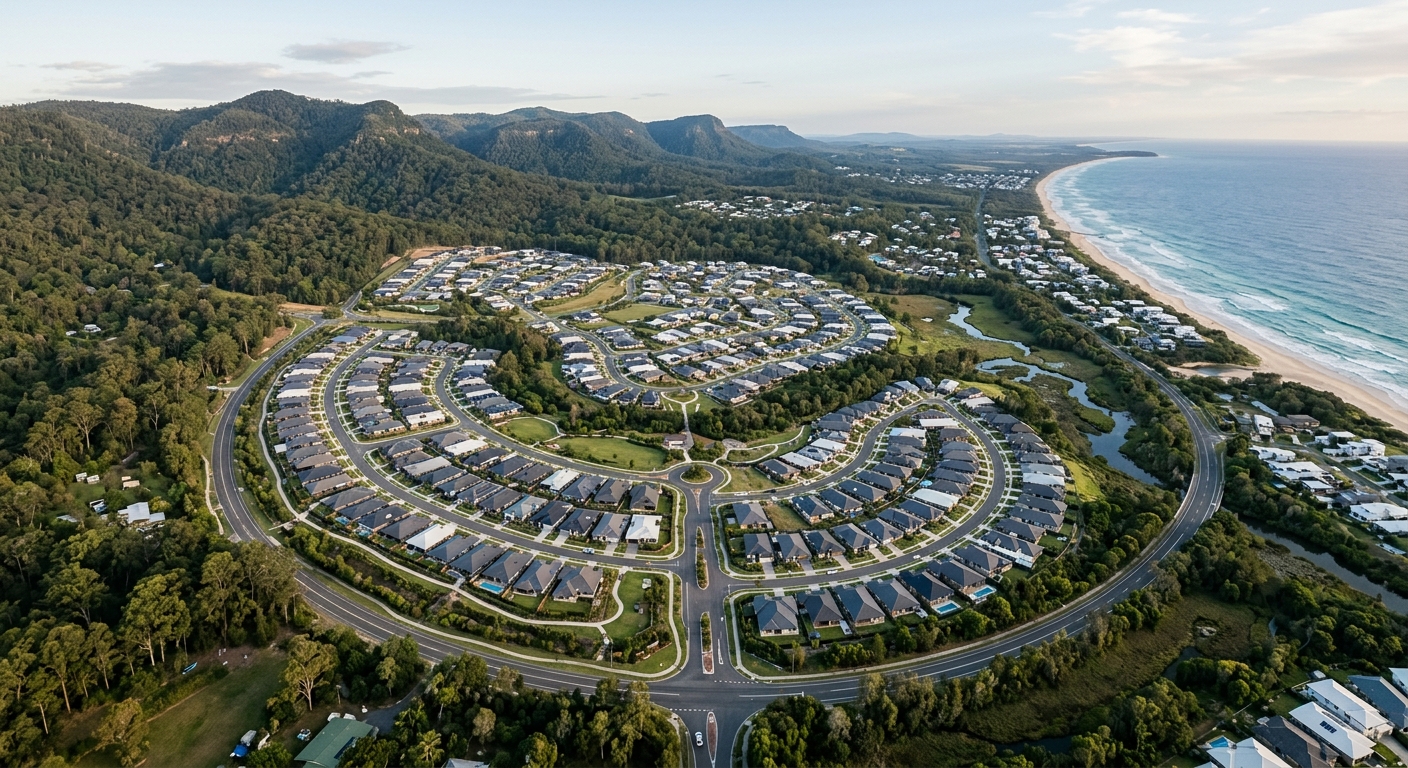
DA conditions · Sunshine Coast
Sunshine Coast Council DA Conditions: Plan Sealing and Approval Management
Sunshine Coast Council manages development across one of the most environmentally diverse LGAs in South East Queensland: from coastal areas and hinterland to the Maroochydore CBD growth area and rural residential lots.
Subdivision projects under the Sunshine Coast Planning Scheme 2014 reflect that environmental diversity, with DA conditions that vary significantly depending on location, zone, and applicable overlays. A coastal infill project and a hinterland rural subdivision can carry very different condition schedules under the same scheme.
Environmental conditions are a defining feature of many Sunshine Coast approvals. The region's vegetation, waterways, koala habitat, and coastal areas are protected under specific planning scheme overlays that translate into detailed conditions on subdivision approvals.
Managing these conditions, particularly environmental ones with long lead times, is what determines whether a Sunshine Coast project reaches plan sealing on schedule.
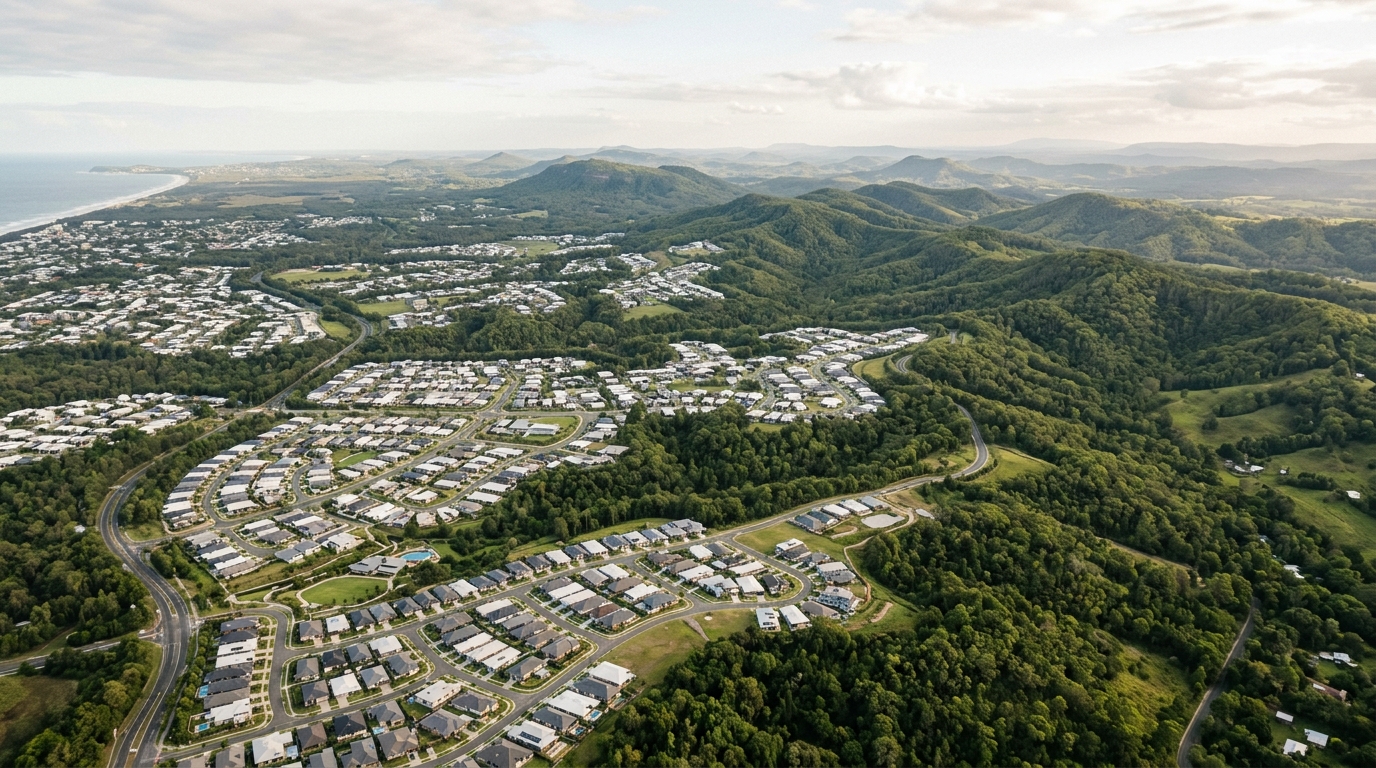
How Sunshine Coast DA conditions are structured
Sunshine Coast Council development approvals include assessment manager conditions and referral agency conditions where applicable. Unitywater services the coastal areas of the Sunshine Coast and imposes conditions on relevant subdivision approvals. The Department of Transport and Main Roads is a referral agency where projects affect state-controlled roads. The Department of Environment and Science may impose conditions where protected matters are involved.
Environmental conditions on Sunshine Coast approvals commonly include requirements for koala habitat management plans, vegetation clearing approvals, fauna management, waterway setbacks, and revegetation. These conditions require input from qualified environmental consultants and have their own timeframes for compliance.
Infrastructure charges are calculated under the Sunshine Coast Adopted Infrastructure Charges Resolution. The Sunshine Coast has invested significantly in trunk infrastructure to support growth, and charges reflect this. Payment timing and receipts need to be managed alongside the rest of the plan sealing documentation.
Sunshine Coast's planning scheme includes specific provisions for the Maroochydore Priority Development Area and other growth nodes. Projects in these areas may have conditions that reference PDA development conditions rather than, or in addition to, standard planning scheme conditions.
Where Sunshine Coast projects run into problems
Environmental conditions are the most consistent source of delay on Sunshine Coast plan sealing applications. Koala habitat management plans need to be implemented and reported on. Vegetation clearing conditions require compliance with the approved clearing plan and often require post-clearing surveys. Waterway conditions may require ongoing monitoring across the construction period.
These aren't conditions that can be addressed quickly. If an environmental management plan required ongoing monitoring across the construction period and that monitoring wasn't completed as required, the evidence can't be recreated. Late discovery of incomplete environmental compliance is one of the most difficult plan sealing problems to resolve.
Hinterland projects on Sunshine Coast often involve rural subdivision with specific conditions around effluent disposal, access standards, and bushfire management. These conditions have their own specialist requirements and can involve multiple rounds of council assessment before a plan sealing application is ready.
Unitywater conditions on coastal Sunshine Coast projects follow the same process as elsewhere (design approval, construction, inspection) but with Unitywater's specific requirements and timeline for the region.
Time savings from structured condition management
On Sunshine Coast projects, the time saving from structured condition management is most pronounced for environmental conditions. When environmental management obligations are tracked progressively (monitoring conducted at the right times, evidence collected and filed as it's produced) the plan sealing application reflects what was actually done. There's no reconstruction required.
For specialist conditions requiring input from environmental consultants or certifiers, early engagement and clear milestones reduce the risk of delays. An environmental consultant who is engaged progressively across the project is better placed to provide timely certification than one who is engaged at plan sealing preparation with limited time.
Sunshine Coast Council plan sealing applications that are complete on lodgement proceed without additional rounds of assessment. Each round of outstanding matters adds weeks, and on projects where environmental conditions are involved, those rounds can be longer than average.
Risk reduction for Sunshine Coast development projects
Environmental compliance risk on Sunshine Coast projects is qualitatively different from the risk on more standard infrastructure conditions. A missing receipt can be located. A missing ongoing monitoring record can't be recreated. The consequences of discovering incomplete environmental compliance at plan sealing can range from delay to genuine remediation obligations.
The risk is managed by treating environmental conditions as live project obligations (tracked, evidenced, and reported progressively) rather than as items to be addressed at the end of the project.
For a broader view of how project risk concentrates at plan sealing, see pressure at the point of plan sealing and downstream consequences of poor plan sealing.
Practical approach to Sunshine Coast condition management
On a Sunshine Coast project, environmental conditions should be identified and assigned to the environmental consultant at DA approval, not at the start of plan sealing preparation. Monitoring obligations need to be scheduled into the project programme and executed at the required times.
Hinterland projects should identify bushfire, effluent disposal, and access conditions early. These often require specialist consultants and council review before compliance can be demonstrated.
PlanEase tracks Sunshine Coast Council DA conditions across the full project lifecycle: assigning environmental, infrastructure, and referral agency conditions to the relevant parties and building the compliance record progressively. See also managing DA conditions across a project and plan sealing treated as an end stage task.
Frequently asked questions
What planning scheme applies to Sunshine Coast Council development?
The Sunshine Coast Planning Scheme 2014 is the applicable planning instrument for most of the Sunshine Coast LGA. The Maroochydore Priority Development Area has a separate development scheme. The planning scheme includes detailed overlay codes for vegetation management, waterways, koala habitat, coastal areas, and hazards, each of which can result in specific conditions on subdivision approvals.
How significant are environmental conditions on Sunshine Coast subdivision approvals?
Very significant in many locations. The Sunshine Coast has substantial koala habitat, vegetation overlays, waterway corridors, and coastal management areas. Projects affecting these areas receive detailed environmental conditions that require specialist management. These conditions are not optional and cannot be addressed retrospectively. They need to be actively managed throughout the project.
Is Noosa included in Sunshine Coast Council?
No. Noosa is a separate local government area, Noosa Council, with its own planning scheme and DA processes. Development projects in the Noosa LGA are assessed under the Noosa Plan 2020. The processes are similar in structure to Sunshine Coast, but the specific requirements, conditions, and council contacts are different.
What are the main growth areas for subdivision on the Sunshine Coast?
Major subdivision activity on the Sunshine Coast is focused in the Caloundra South/Aura development, the Palmview Structure Plan area, and the Maroochydore City Centre PDA. Hinterland areas including Bli Bli, Nambour, and Coolum also see subdivision activity. Each area has its own infrastructure context and, in some cases, specific planning provisions that affect the DA condition schedule.
Sunshine Coast Council DA conditions are among the most environmentally detailed in SEQ. Managing them, particularly ongoing environmental obligations, requires structured tracking from the start of the project. Projects that do this arrive at plan sealing with a complete and credible compliance record.
Learn more about PlanEase
DA condition management for Sunshine Coast Council subdivision projects.
See how PlanEase works →